A steaming mug of Glühwein feels like armour against the cold. The truth: that glow can quietly strip heat from your core when you need it most.
Fingers thawed around the paper cup, cinnamon and orange slicing through the diesel and snow. A friend laughed, cheeks crimson, and said the sentence every winter: “Warms you from the inside.”
At first, he was right. Face hot, shoulders slack, the cold went soft at the edges. Then the wind stepped in, sly and constant, and the warmth slid off like a loose scarf. Two cups later, the ears burned and the feet went oddly distant, as if they belonged to someone else waiting at a different tram stop.
We shuffled toward the U-Bahn, heat lamps buzzing, noses bright. A man had sat down on a curb, smiling at nothing, not noticing his bare hands on wet stone. The cup felt hot. My core didn’t. The warmth was a mirage.
The warm feeling that tricks your brain
Alcohol pulls more blood to your skin, which is why your face flushes and your hands suddenly feel alive. That surge creates a convincing signal: warm skin equals warm body. It’s a neat illusion. Core heat is being piped outward, then lost to the air faster than you can say “Prost.”
The switch is almost cinematic. One minute you’re shivering, the next you’re loose, grinning, jacket unzipped. That’s vasodilation doing its work, opening those tiny highways to your skin. The trouble is, your torso is the vault for life-sustaining warmth. Move that heat to the surface in a freezing wind and you spend it like small change.
Rescue teams see the pattern every winter. Mountain units in the Alps call it the pub-to-peak problem: a short walk after drinks turns long in a headwind, and judgment fades before the temperature does. In cold-city ERs, clinicians report alcohol in a large share of accidental hypothermia cases. The story repeats because the biology is the same.
What’s really happening inside your body
Alcohol lowers the threshold for shivering, so your main furnace idles when you most need it. It dampens brown fat activation too, the metabolic sparkplug that normally revs in the cold. That’s a double loss: less heat made, more heat shed.
There’s the bathroom shuffle as well. Alcohol boosts urine output, draining water and minerals that help regulate temperature. Dehydration nudges your thermostat off true, turning fine-grained control into guesswork. You might not notice the drop until your fingers can’t work zippers.
It muddies thinking at exactly the wrong time. That makes you walk farther than planned, laugh off the sting in your ears, ignore the stiff feeling that means tissue is close to freezing. Cold is patient; your core is not. The numbers don’t need to be precise to matter, because the mechanism is blunt: open the heat gates, let the wind collect.
How to actually stay warm at the market
Flip the script: trap heat at the core, then let your drink be a treat, not a heater. Go base layer that wicks, mid layer that insulates, shell that blocks wind. Cover the head and neck where heat leaks fast. Hot fluids without alcohol do real work—tea with sugar, mulled juice, broth. Eat something starchy or fatty; thermogenesis loves fuel. Sip, don’t chug. Move a little every five minutes.
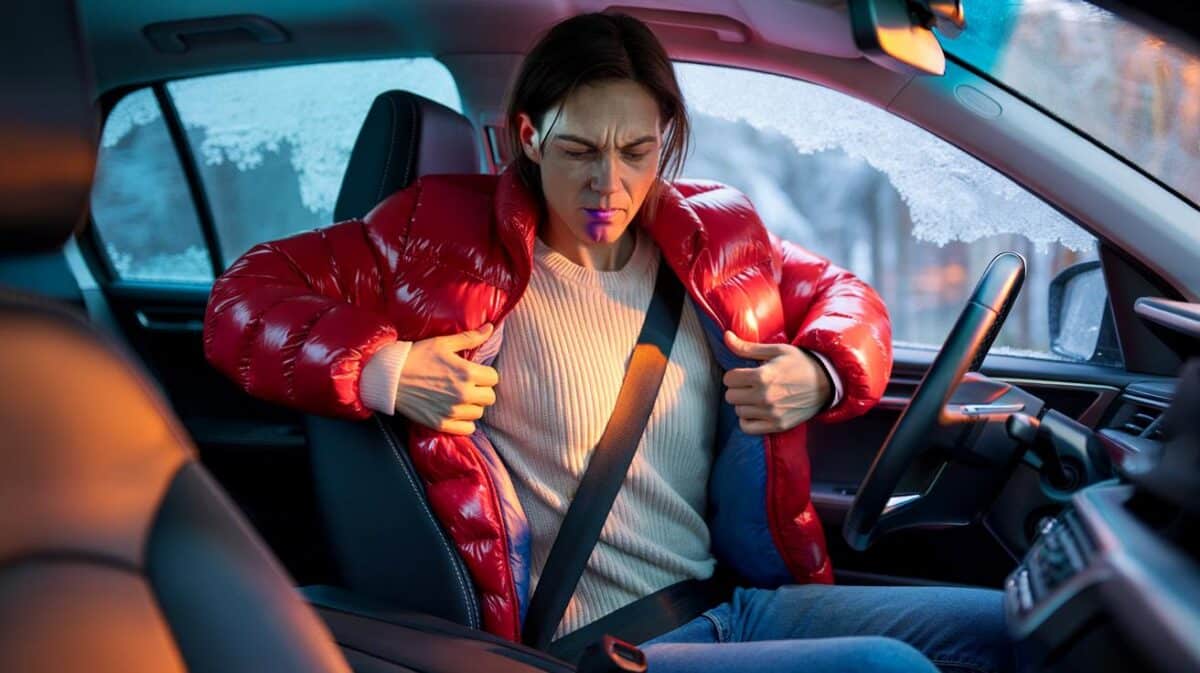
Set small rules that feel human. Warm up indoors first, then head out. Pick a “buddy check” so someone notices if your speech slows or you keep unzipping your coat. We’ve all had that moment when the music is good and the cheeks are pink and the line for fresh waffles is almost worth frostbite. Let’s be honest: nobody actually does that every day.
Common slip-ups: cotton socks that stay wet, tight boots that kill circulation, smoking breaks that trick you into standing still in a draft. Keep hands dry. Swap gloves if they get damp. Drink your Glühwein after you’ve already built heat through movement and food, not as a starter pistol.
“Alcohol makes you feel warm, but it’s not heat you’ve created—it’s heat you’ve released,” says an emergency physician who’s pulled too many people from winter nights.
- Warm smart: layers, head/neck cover, dry hands.
- Fuel up: hot tea or mulled apple, carbs, a little fat.
- Keep moving: short strolls, shoulder rolls, wiggle toes.
- Timebox the cold: 30–40 minutes outside, then a warm reset.
- Red flag: numb fingers that don’t rebound in five minutes.
Break the Glühwein spell without skipping the joy
There’s no need to play winter monk. The trick is to separate the ritual from the myth. Drink for taste, for company, for that clove-and-orange memory that shows up the minute the first stall opens. Protect your core like a secret. Eat, layer, move, pause indoors before you feel too good to notice you’re getting cold. The market will still sparkle. The band will still miss the same note. You’ll still laugh into a scarf and steal a bite of someone’s Schmalzkuchen. And you’ll walk home with all your heat where it belongs.
| Point clé | Détail | Intérêt pour le lecteur |
|---|---|---|
| Alcohol’s “warmth” is a skin trick | Vasodilation pulls heat to the surface, then the air steals it | Understand why Glühwein can deepen cold risk |
| Build heat, then sip | Layers + movement + hot non-alcoholic drinks + food | Stay comfortable longer without skipping the fun |
| Watch for early red flags | Numb fingers, clumsy zippers, slow speech, unzipping coat repeatedly | Spot danger early and pivot before hypothermia bites |
FAQ :
- Does Glühwein actually warm you?It warms skin by boosting blood flow, while your core quietly cools. The comfort is real; the heat budget is not.
- Is one cup dangerous?Context matters—wind, wet, how long you’re out, whether you’ve eaten. One cup can nudge you the wrong way in harsh conditions.
- What’s a safer swap?Mulled apple or grape juice, hot tea with honey, spiced broth. Same ritual, real heat gain, zero loss of judgment.
- Can spices like ginger or chili help?They may feel warming on the tongue, but they don’t replace core heat production or smart layering.
- What are early signs I’m too cold after drinking?Stiff fingers, fumbling with your phone, slow thoughts, goosebumps fading to numbness, a weird urge to take your hat off.